Thank you for watching! In the face of unrelenting disinformation and authoritarian actions, clear truth-telling and independent media are a necessity. If you value pro-democracy journalism, consider becoming a free or paid subscriber to my newsletter. Paid subscribers empower this work and gain access to exclusive benefits. Your support makes a difference.
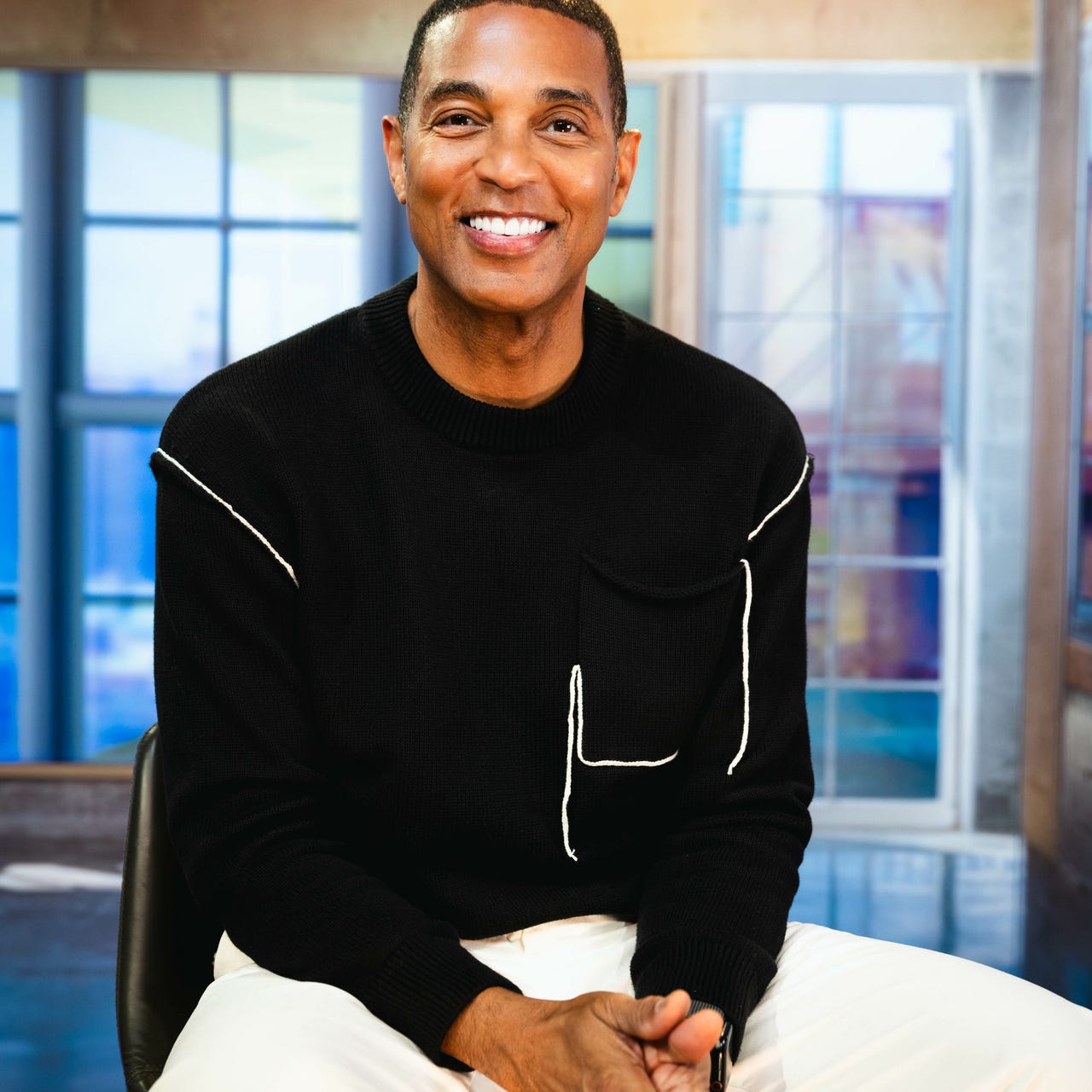
Don Lemon and I jumped into our weekly conversation with the most consequential story of the year: the Supreme Court’s ruling in Louisiana v. Callais, which effectively gutted Section 2 of the Voting Rights Act of 1965.
By the time we were done breaking it down, we had gotten to somewhere bigger: a call to action of how the pro-democracy coalition needs to rally.
You can watch our full conversation above and read key takeaways below.
The Roberts Court Just Falsely Declared Racism Over
This ruling is the culmination of a decades-long project to dismantle the legal architecture of the Civil Rights era. Justice Alito did not strike down Section 2 of the Voting Rights Act outright. He did something more insidious: he effectively made it impossible to enforce.
The new standard requires plaintiffs to prove discriminatory intent, not just discriminatory effect. As I put it on the live: you now need someone to essentially declare “I hereby am racist and pushing this law” before a court will act.
Congress specifically addressed this in the 1982 amendment to Section 2, removing the intent requirement precisely because it was too difficult to prove in court. Alito has now reversed that amendment from the bench without saying so explicitly. He overruled Congress while pretending to interpret their law.
This is not a surprise if you’ve been watching John Roberts. He worked on the Bush v. Gore litigation in Florida in 2000. He has been methodically dismantling voting rights since he arrived on the court. Shelby v. Holder in 2013 gutted preclearance. Brnovich v. DNC in 2021 made it harder to challenge restrictive voting laws. This ruling finishes the job.
Alito echoed Roberts almost verbatim, writing that “vast social change has occurred throughout the country and particularly in the South, which have made great strides in ending entrenched racial discrimination.” Don’s response was exactly right: racism’s over, did you get the memo? We are two Black men in America. We did not get that memo.
Don made the point I want to make sure lands: every rights movement that came after the Civil Rights Movement modeled itself on that fight. Women’s rights. LGBTQ rights. The Voting Rights Act was the foundation. If they can gut this, nothing downstream is safe.
An NPR analysis found this ruling could result in 15 seats currently held by Black members of Congress being redrawn, a level of racial upheaval not seen since the end of Reconstruction. That number needs to be said out loud and repeated.
The practical path to reversal is incredibly difficult. The Supreme Court overturning itself on this is not happening soon. A constitutional amendment is not happening. The John Lewis Voting Rights Act could pass, but as I noted on air, we would then be waiting to see whether this same court strikes that down, too. Democrats need to be thinking long-term about Supreme Court reform because this is what the court looks like when the right plans for decades and the left does not.
“Skip The Dumb Shit”
Don went full accountability mode in the second half, and I was with him every step of the way. It was a necessary conversation.
We said it plainly: the people who sat home in 2016 and again in 2024, who voted third party, who decided Hillary Clinton and Kamala Harris were not perfect enough, need to look at this ruling and reckon with what their choices produced. Roe v. Wade overturned. The Voting Rights Act gutted. The Civil Rights Division being dismantled. Gas prices up. Tariffs crushing working families. This is the direct consequence of those decisions.
The public transportation analogy Don made is the one I want people to keep: elections are not an Uber that takes you to your door. They are a bus that gets you to the nearest stop. The question is always which candidate gets you closer to where you need to go, not whether they take you all the way.
I raised the Jill Stein point because it needs to be said. She appears every four years, draws votes, and disappears. She is not out there between elections fighting for the causes she claims to represent. 2016 was a demonstration of that. 2024 was a repeat. The people who followed her in both cycles helped produce the Supreme Court we now have.
Don’s point about activists going to Hillary and Kamala’s rallies to protest is one I agreed with and want to extend: they went to those rallies because they knew those candidates would listen. You do not go to the rally of someone you believe is indifferent to your cause. The implicit acknowledgment was always that Democrats would respond to pressure. The choice to stay home or vote third party instead was a choice to hand power to someone who would not.
My closing argument: look at Hungary. Orbán fell because a united coalition decided his time was up and held together long enough to win a supermajority. You cannot build that coalition while fighting about Twitch streamers and demanding ideological purity from your own side. You cannot let perfect be the enemy of good when the alternative is authoritarian consolidation.
Don’s final verdict was the right one, and I want to close with it: Democrats, this is on you now. Get in formation. Stop fighting with your allies. If you are pro-democracy, that is enough. Welcome aboard. Now let’s move.
Bottom Line
The Roberts Court just finished what it started in 2013. The legal architecture of the Civil Rights era is being dismantled one ruling at a time. And the people who made this possible by sitting out or voting third party need to reckon with that.
The answer is not despair. The answer is coalition discipline, long-term thinking, and getting in formation before November.
If this conversation mattered to you, I hope you consider becoming a paid subscriber to my newsletter and also supporting Don Lemon. And if you’re already a paid subscriber, thank you! It truly means a lot. Independent media runs on the people who back it.